There is nothing quite like the theatrical reveal of a fresh German pancake recipe emerging from a roaring hot oven. As the oven door swings open, a massive, golden-brown crown of airy batter greets you, towering high above the rims of a seasoned black cast iron skillet. This isn’t just breakfast; it is a culinary event defined by its ultra-puffy architecture and delicate, egg-shell texture.
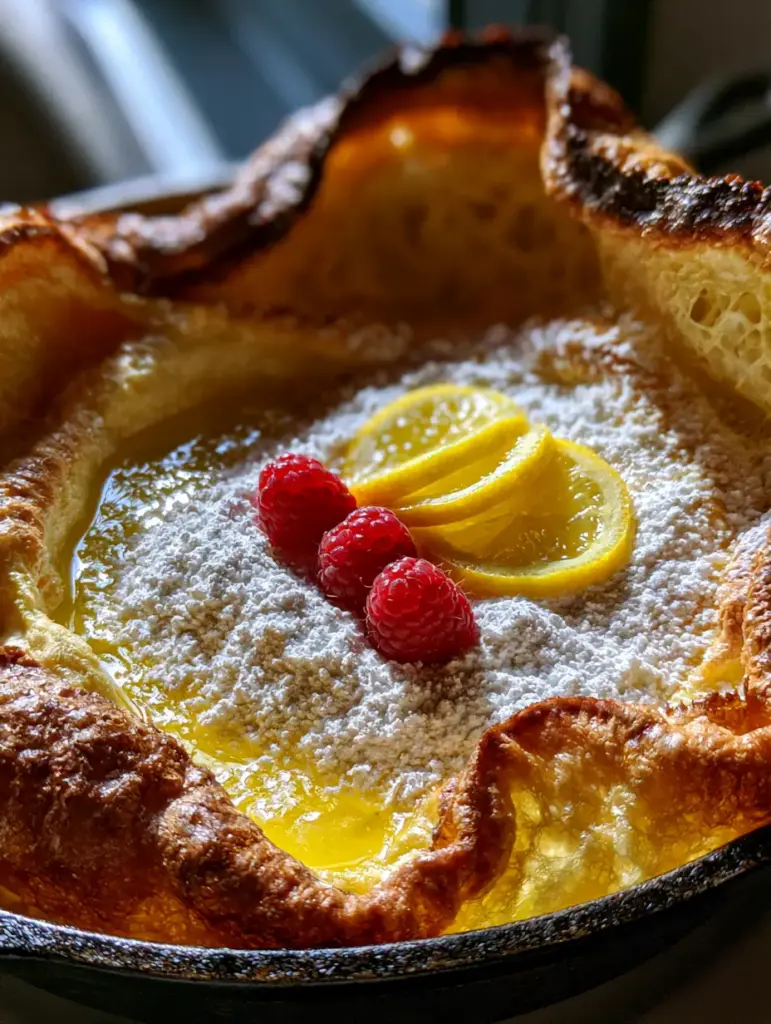
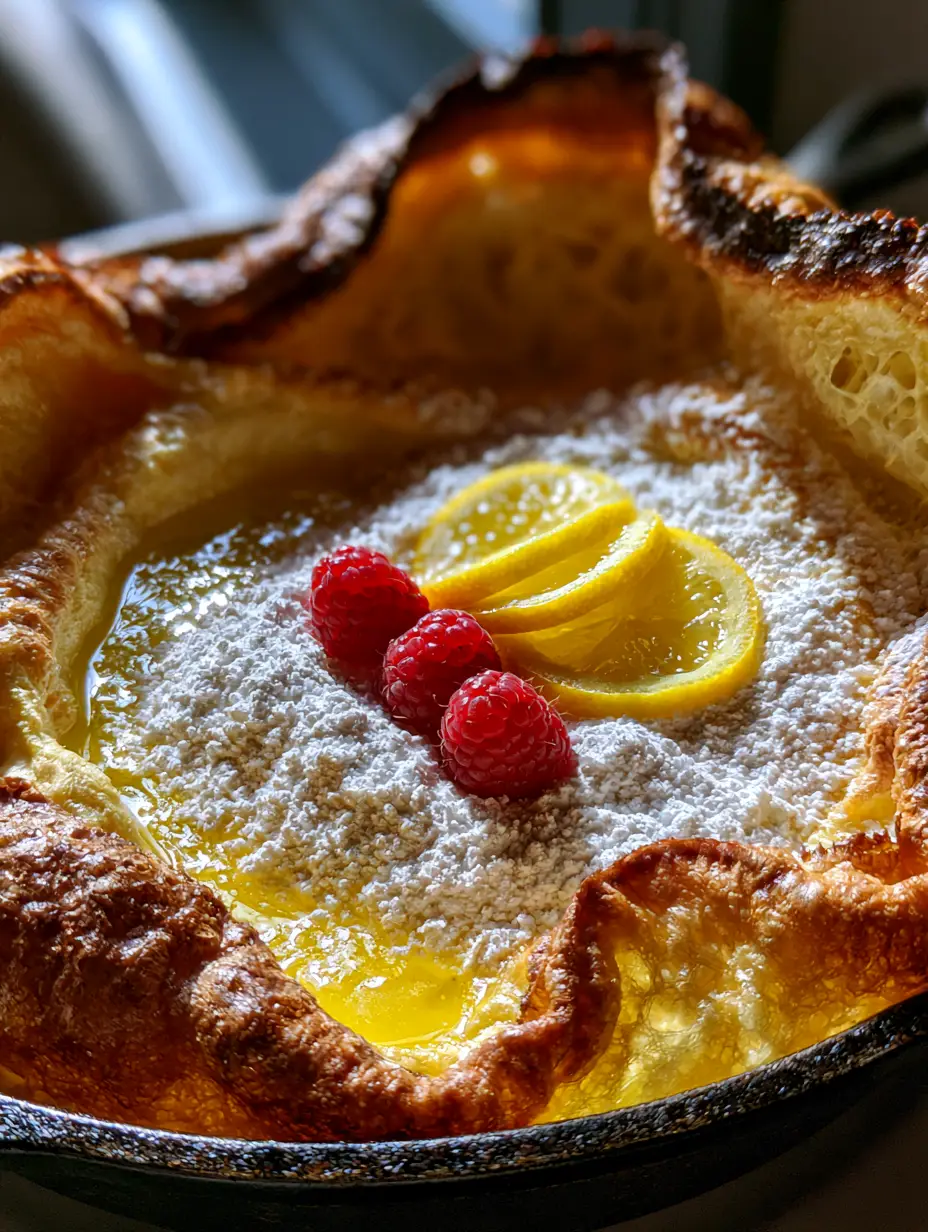
Often referred to as a Dutch Baby, this German pancake recipe creates a dish that is visually spectacular and texturally complex. The edges are exceptionally high, wavy, and laced with crispy dark golden ridges that provide a satisfying crunch. Meanwhile, the recessed center acts as a natural vessel for shimmering pools of melted salted butter and a heavy, snowy dusting of fine powdered sugar.
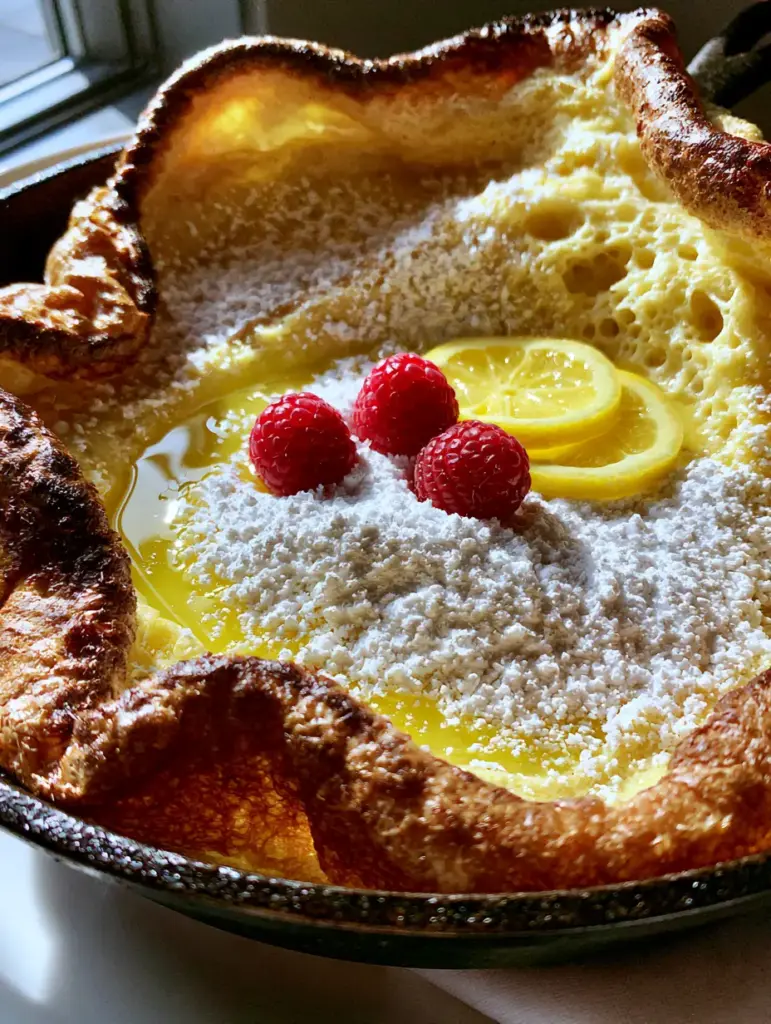
When you slice into this majestic creation, the soft, natural side-lighting from your kitchen window will highlight the porous, custardy interior of the pancake walls. It is a dish that demands attention, perfect for lazy Sunday mornings or an impressive brunch gathering. Let’s dive into the science and technique required to achieve this high-end rustic aesthetic in your own kitchen.
Why This German pancake recipe Defies Gravity and Expectations
- The Architectural Elevation: Unlike classic fluffy pancakes, this recipe relies on steam rather than chemical leaveners to achieve a dramatic, towering rise.
- Textural Contrast: Experience the “shatter” of the crispy charred edges followed immediately by the soft, porous, and almost custard-like interior.
- The “One-Pan” Simplicity: By utilizing a seasoned cast iron skillet, you create a rustic centerpiece that goes from oven to table with minimal cleanup.
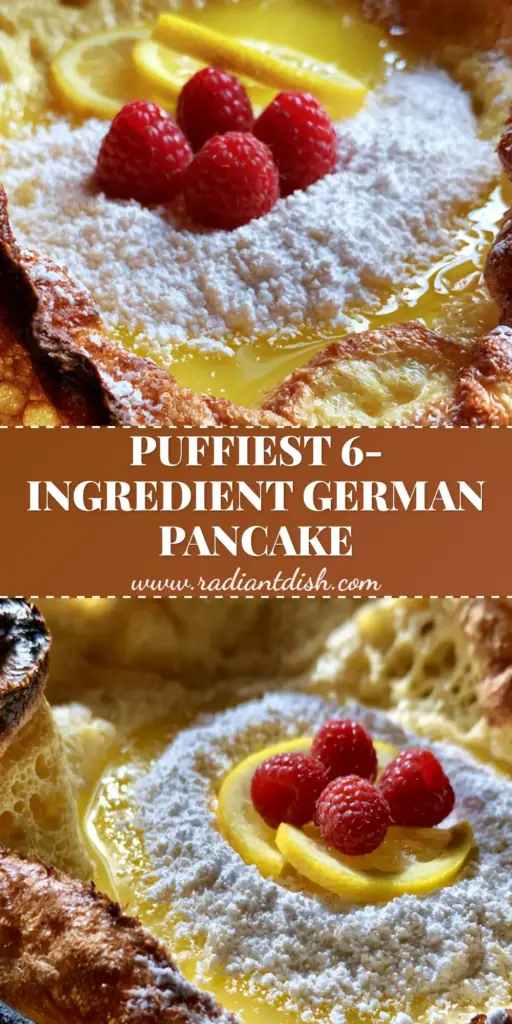
- Visual Grandeur: The contrast between the bright red raspberries, the thin yellow lemon slices, and the heavy white powdered sugar makes this a photographer’s dream.
The Anatomy of a Perfect Puff: Essential Ingredients
To achieve the specific visual results of our visual blueprint, every ingredient must serve a functional purpose in the culinary physics of steam-leavening. We aren’t just making batter; we are building a structural lattice that will trap air and expand under intense heat.
The Structural Foundation: Room Temperature Eggs
You will need 3 large eggs at room temperature. Eggs provide the protein structure necessary to hold the air as the steam expands, ensuring your pancake doesn’t collapse the moment it hits the cool air.
The Liquid Catalyst: Whole Milk
Measure out 1/2 cup (120ml) of whole milk. The high water content in milk is what creates the steam, while the fats contribute to the tender, custardy interior walls seen in the visual prompt.
The Binding Agent: All-Purpose Flour
Use 1/2 cup (65g) of all-purpose flour. This specific amount provides enough gluten to create the “egg-shell texture” and wavy ridges without making the pancake heavy or dense.
The Flavor Enhancers: Vanilla and Salt
Include 1 tsp (5ml) of vanilla extract and a pinch of fine sea salt. While the salt balances the sweetness of the toppings, the vanilla provides that nostalgic, bakery-style aroma that fills the house.
The Sizzle Factor: Salted Butter
You will need 3 tbsp (42g) of high-quality salted butter. This is melted in the skillet before the batter is added, creating the “blistered” and charred edges that define a professional-grade German pancake recipe.
The Visual Finishes: Toppings and Garnishes
To match our visual blueprint, prepare 1/4 cup (30g) of fresh red raspberries and 2 thin slices of bright yellow lemon. You will also need at least 2 tbsp (15g) of fine powdered sugar for that heavy, snowy dusting.
The Essential Tools for High-Altitude Baking
To achieve the “massive, golden-brown puffy” look, your choice of equipment is non-negotiable. This isn’t the time for a non-stick frying pan; we need heat retention and specific geometry.
The Seasoned Black Cast Iron Skillet
A 10-inch (25cm) seasoned black cast iron skillet is the star of the show. The heavy iron retains an immense amount of heat, which instantly vaporizes the liquid in the batter, forcing it to climb up the sides of the pan.
The High-Speed Blender or Whisk
A blender is preferred for this German pancake recipe because it aerates the batter and breaks down every flour lump. If whisking by hand, ensure the batter is completely smooth and contains tiny bubbles on the surface.
The Step-by-Step Blueprint for a Towering German Pancake
Success in this recipe is all about timing and temperature transitions. Follow these steps to ensure your pancake reaches its maximum potential height and develops those signature dark golden ridges.
Phase 1: The Thermal Preparation
Place your 10-inch cast iron skillet into the oven and preheat to 425°F (220°C). Heating the skillet along with the oven is the “secret” to achieving that immediate rise and the crispy, charred bottom crust.
Phase 2: Aerating the Batter
In your blender, combine the eggs, milk, flour, vanilla, and salt. Blend on high for 30 seconds until the mixture is frothy and completely uniform; let the batter rest for 5 minutes while the oven finishes preheating to allow the flour to hydrate.
Phase 3: The Sizzle and Pour
Once the oven is at temperature, carefully remove the hot skillet using a thick oven mitt. Drop the 3 tbsp (42g) of salted butter into the pan and swirl it until it is melted, foaming, and just beginning to turn a light nutty brown.
Phase 4: The Transformation
Immediately pour the batter into the center of the shimmering butter. Do not stir. Quickly return the skillet to the center rack of the oven and bake for 15-18 minutes until the edges are exceptionally high and wavy with crispy dark golden ridges.
Phase 5: The Final Presentation
Remove the pancake from the oven and marvel at the recessed center. While still hot, place three bright red raspberries and two thin lemon slices in the middle. Finish with a heavy, snowy dusting of powdered sugar through a fine-mesh sieve.
Expert Tips for the Most Dramatic Puff
- Temperature is King: Never use cold eggs or cold milk; if the batter is cold, it will take too long to produce steam, resulting in a flat, dense pancake rather than a towering one.
- No Peeking: Opening the oven door during the first 12 minutes of baking allows heat to escape and can cause the delicate egg-shell structure to collapse prematurely.
- The Fat Frontier: Ensure your butter is sizzling but not burnt before adding the batter; this “frying” effect is what creates the dark, crispy ridges.
- Hydration Matters: Letting the batter rest for 5-10 minutes allows the gluten to relax, which actually helps the pancake stretch higher as it bakes.
Perfect Pairings and Serving Suggestions
While this German pancake recipe is a meal in itself, it pairs beautifully with other brunch favorites. For a savory contrast, consider serving it alongside hearty breakfast burritos or savory sausage links.
If you are hosting a larger crowd, you might offer a variety of unique pancake ideas or even some homemade waffles to provide different textures. For a truly festive spread, especially during the holidays, this pancake fits right in with elegant brunch snacks.
Frequently Asked Questions
Yes, you can refrigerate the batter overnight, but you must let it sit on the counter to reach room temperature before baking to ensure the steam can lift the heavy batter.
While cast iron provides the best heat retention for a massive rise, you can use a heavy stainless steel oven-safe skillet or a glass pie dish, though the edges may not be as ‘charred’ or tall.
They are essentially the same thing! The term ‘Dutch Baby’ originated in an American cafe, but the recipe is based on the German ‘Pfannkuchen’.
The most common reasons are cold ingredients or a pan that wasn’t hot enough. Always use room temperature eggs and milk, and ensure your cast iron skillet is fully preheated at 425°F (220°C).
All German pancakes deflate as the steam cools. To keep it puffy longer, ensure it is fully cooked (dark golden brown) to set the egg protein structure before removing it from the oven.
The Master German Pancake Recipe Card
Ready to create your own edible masterpiece? Follow the precise measurements below to replicate the visual beauty and custardy taste of this iconic breakfast dish.
German pancake recipe: The Ultimate Guide to a Towering, Golden-Brown Masterpiece
Ingredients
Equipment
Method
- Place your cast iron skillet in the oven and preheat to 425°F (220°C).
- In a blender, combine eggs, milk, flour, vanilla, and salt. Blend on high until frothy. Let rest for 5 minutes.
- Carefully remove the hot skillet from the oven. Add butter and swirl until melted and foaming.
- Pour the batter into the skillet and return to the oven immediately. Bake for 15-18 minutes until golden brown and towering.
- Top the hot pancake with raspberries, lemon slices, and a heavy dusting of powdered sugar.
Notes
Do not open the oven door during the first 12 minutes of baking.
Closing the Kitchen: Experience the Magic
The beauty of the German pancake recipe lies in its ephemeral nature—it is a fleeting moment of culinary art that is meant to be enjoyed immediately. Whether you are capturing the perfect smartphone photo of the towering ridges or simply digging into the butter-soaked center, this recipe is a testament to the magic of simple ingredients.
We would love to see your creations! Share your photos with us and be sure to follow radiant_dish on Pinterest for more visual recipe inspiration. Don’t forget to leave a comment below with your favorite toppings!