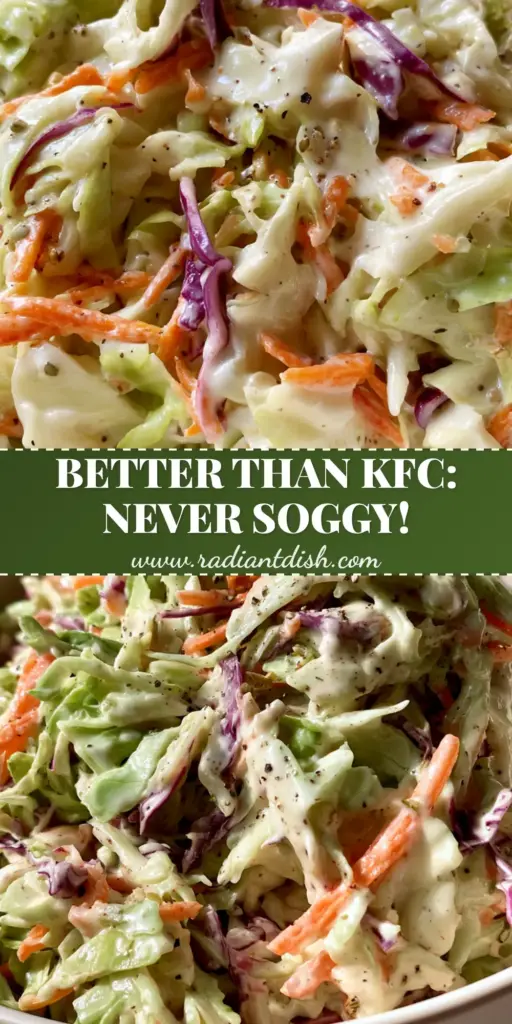
There is a specific kind of magic found in a perfect bowl of coleslaw. It is the crunch that resonates, the creaminess that coats every fiber, and the tangy zest that cuts through the richest barbecue. This Coleslaw recipe is designed to replicate that high-end, southern-style side dish seen in professional food photography.
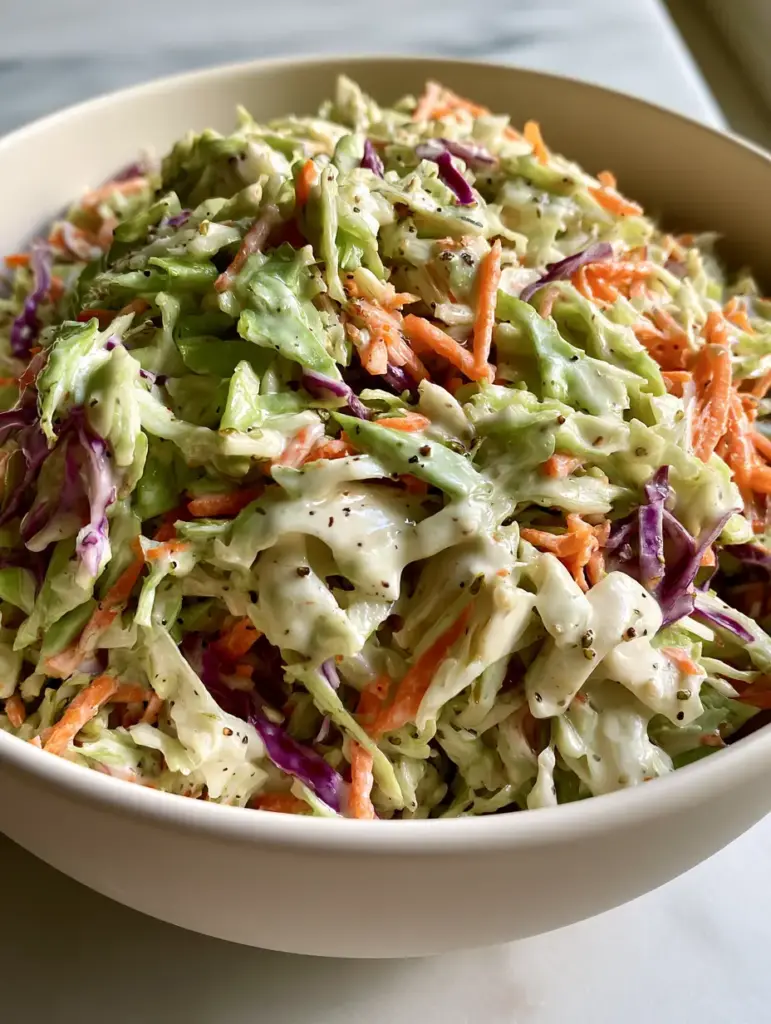
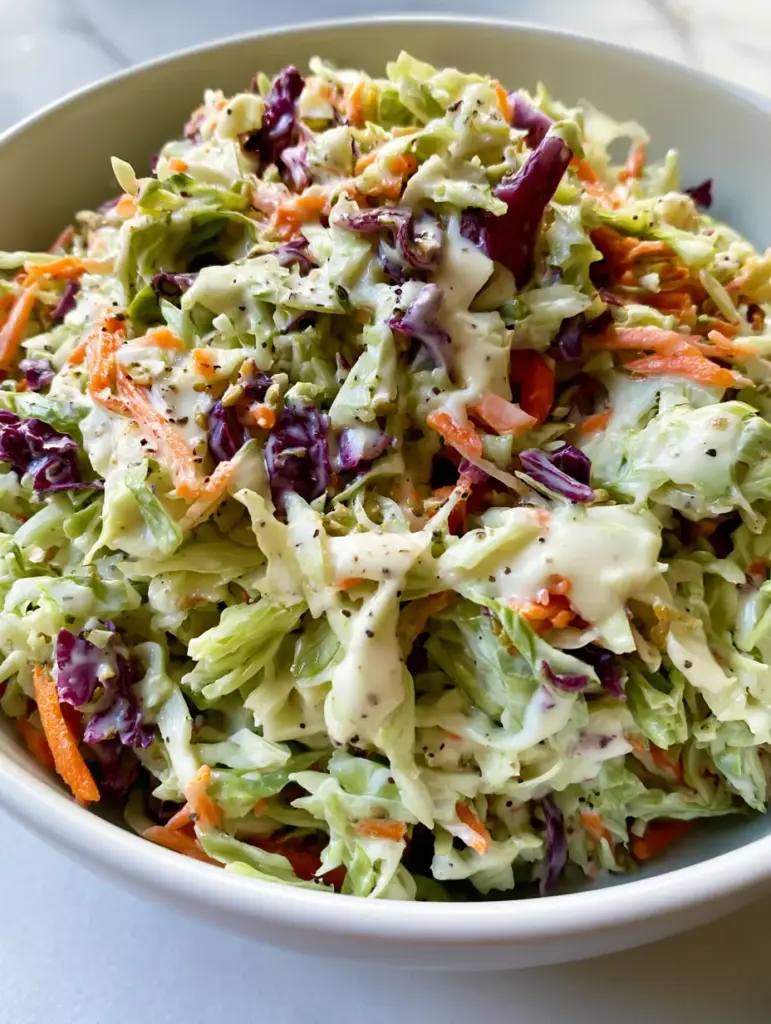
Imagine a matte white ceramic bowl overflowing with vibrant, ultra-fine ribbons of green and purple. The dressing isn’t a watery pool at the bottom; it is a thick, glossy, ivory-white buttermilk emulsion that clings stubbornly to every shred. This is the slaw that completes the plate, providing a chilled, crisp contrast to smoky meats and toasted buns.
Achieving this level of culinary perfection requires more than just mixing vegetables. It involves understanding the science of osmosis and the structural integrity of a cabbage leaf. By the end of this guide, you will master the art of the “no-water-slaw” that stays crisp for hours.
Why This Southern-Style Slaw Defines Side Dish Perfection
- The Precision Micro-Shred: We move beyond chunky chops to achieve uniform, ultra-thin slivers that maximize surface area for the dressing to cling to.
- The Glossy Emulsion: Using a specific ratio of buttermilk and high-quality fats ensures a coating that is thick and ivory-white, rather than translucent and oily.
- Vibrant Color Contrast: The inclusion of slivered red cabbage and bright orange carrots provides a visual pop that signals freshness and nutritional density.
- The Flavor Foundation: Cracked black pepper and tiny celery seeds provide earthy, aromatic depths that standard store-bought slaws lack.
- Structural Integrity: Our specific salting technique removes excess moisture, ensuring your slaw stays chilled and crisp even at an outdoor picnic.
The Anatomy of Ingredients for the Best Coleslaw Recipe
To create a dish that looks like a hyper-realistic masterpiece, every ingredient must serve a structural or flavor-driven purpose. We do not settle for pre-bagged mixes; we build texture from the ground up.
Green Cabbage: 1 small head (approx. 900g). This is the base of our slaw, providing the structural crunch and a mild, peppery sweetness that defines the Coleslaw recipe.
Red Cabbage: 1/4 small head (approx. 225g). This adds a stunning purple hue and a slightly earthier flavor profile that contrasts beautifully with the green base.
Carrots: 2 large (approx. 200g). Grated carrots provide a natural sweetness and a bright orange visual highlight that breaks up the monochromatic greens.
Buttermilk: 1/2 cup (120ml). Real buttermilk provides the “gloss” and the signature southern tang that thin milk or plain mayo cannot replicate.
Mayonnaise: 1 cup (240ml). Choose a high-quality, full-fat mayonnaise to act as the stabilizing agent for your thick, creamy dressing.
Apple Cider Vinegar: 2 tbsp (30ml). This acidity brightens the heavy fats and helps to slightly soften the cabbage fibers for a better mouthfeel.
Granulated Sugar: 3 tbsp (38g). A necessary counterpoint to the vinegar and buttermilk, sugar creates the classic sweet-and-sour profile typical of the best Coleslaw recipe.
Celery Seeds: 1 tsp (2g). These tiny seeds are the “secret” ingredient, providing a concentrated herbal note that pairs perfectly with cabbage.
Cracked Black Pepper: 1/2 tsp (1g). Visible specks of black pepper are essential for that professional, “from-scratch” look and a gentle heat.
Kosher Salt: 1 tbsp (15g) for wilting; plus more to taste. Salt is the engine of the “Osmosis Step,” drawing out moisture to prevent a watery final product.
Dijon Mustard: 1 tsp (5g). This acts as a secondary emulsifier, ensuring the dressing stays thick and glossy rather than separating.
Essential Tools for a Professional Culinary Result
To achieve the uniform shreds seen in our visual blueprint, a standard chef’s knife is often not enough. For the most consistent results, a mandoline slicer is highly recommended.
You will also need a large colander for the salting process. This allows the cabbage to “weep” its excess water away. A large matte ceramic bowl is ideal for the final presentation, as it retains the chill of the vegetables while providing a neutral background for the colors to pop.
Finally, a balloon whisk is necessary for the dressing. We need to vigorously emulsify the buttermilk and mayo to achieve that glossy, ivory-white sheen that coats every shred without pooling.
Mastering the Prep: The Precision of the Perfect Cabbage Shred
The Art of the Micro-Sliver
Start by removing any bruised outer leaves from your cabbage heads. Quarter the cabbage and remove the dense core with a diagonal cut. Using your mandoline or a very sharp knife, create shreds that are no thicker than 1/8th of an inch (3mm).
Uniformity is the key to a professional Coleslaw recipe. When the shreds are the same size, they absorb the dressing at the same rate, preventing some pieces from becoming mushy while others remain too tough.
The Osmosis Step: Preventing the Watery Pitfall
Place your shredded green and red cabbage in a large colander set over a bowl. Toss the cabbage with 1 tablespoon (15g) of kosher salt and let it sit for 30 to 60 minutes.
You will notice the cabbage begins to “sweat.” This is salt drawing out the internal moisture that would otherwise thin out your dressing later. After an hour, rinse the cabbage thoroughly with cold water and dry it completely using a salad spinner or clean kitchen towels.
Crafting the Glossy Buttermilk Emulsion
In a separate medium bowl, whisk together the mayonnaise, buttermilk, sugar, vinegar, Dijon mustard, celery seeds, and cracked black pepper. Whisk until the sugar has dissolved and the mixture is completely smooth.
Observe the texture; it should be thick enough to coat the back of a spoon. This “clinging” property is what ensures your Coleslaw recipe looks like a hyper-realistic masterpiece rather than a soggy salad.
The Final Marriage of Flavors
Place the dried cabbage and grated carrots into your matte white bowl. Pour the dressing over the vegetables. Use large tongs to fold the mixture together until every single sliver is coated in the glossy white sauce.
The goal is an overflowing, abundant plating where the dressing stays on the vegetables. If you have followed the salting step, you will find that the dressing stays thick and creamy, even after hours in the fridge.
Expert Tips for a Five-Star Coleslaw Result
- Chill Your Bowl: Place your serving bowl in the freezer for 10 minutes before plating. This keeps the slaw in its “chilled and crisp” state for much longer.
- Don’t Skip the Celery Seed: While small, these seeds provide the “blue note” of the flavor profile. Without them, the slaw feels one-dimensional.
- Balance the Sugar: If your cabbage is particularly sweet (common in the winter), reduce the sugar by half a tablespoon to maintain balance.
- The Rinse is Crucial: If you don’t rinse the cabbage after salting, the final dish will be far too salty. Rinse well and dry even better.
Storage and Make-Ahead Instructions
This Coleslaw recipe is actually better after it has rested for about an hour in the refrigerator. This allows the flavors of the celery seed and vinegar to permeate the cabbage fibers.
You can store the slaw in an airtight container for up to 3 to 4 days. While it will lose some of its initial “snap” after day two, the flavor remains excellent. Do not freeze coleslaw; the cell walls of the cabbage will collapse upon thawing, resulting in a mushy mess.
What to Serve With This Chilled Side Dish
Coleslaw is the ultimate utility player in the culinary world. Its creamy acidity makes it the perfect partner for grilled proteins and spicy dishes.
Pair this slaw with honey garlic chicken skewers for a balanced weeknight dinner. The sweetness of the chicken is perfectly cut by the tangy buttermilk dressing.
For a classic barbecue experience, serve it alongside pulled pork or use it as a crunchy topper for Filipino chicken barbecue. The contrast of the hot, charred meat and the chilled, crisp slaw is unparalleled.
If you’re looking for a lighter summer lunch, a bowl of this slaw is the perfect companion to a grilled shrimp bowl. The creaminess of the dressing acts as a beautiful sauce for the succulent shrimp.
Frequently Asked Questions
While fast, a food processor can often ‘bruise’ the cabbage or make it too small. A mandoline or sharp knife provides the long, thin, uniform slivers required for the best texture.
For the best results, let the slaw rest in the refrigerator for at least 30-60 minutes. This allows the dressing to slightly soften the cabbage fibers and for the flavors to meld.
Yes, apple cider vinegar has a fruitier, more complex acidity that complements the sugar and buttermilk much better than the harshness of distilled white vinegar.
Celery seeds provide a concentrated, slightly bitter, earthy flavor that acts as a bridge between the sweetness of the sugar and the acidity of the vinegar. They are essential for a classic flavor profile.
Cabbage is 90% water. If you don’t use the ‘Osmosis Step’ (salting and rinsing), the salt in the dressing will pull the water out of the cabbage cells, creating a pool at the bottom. Salting beforehand prevents this.
The Ultimate Southern Coleslaw Recipe Card
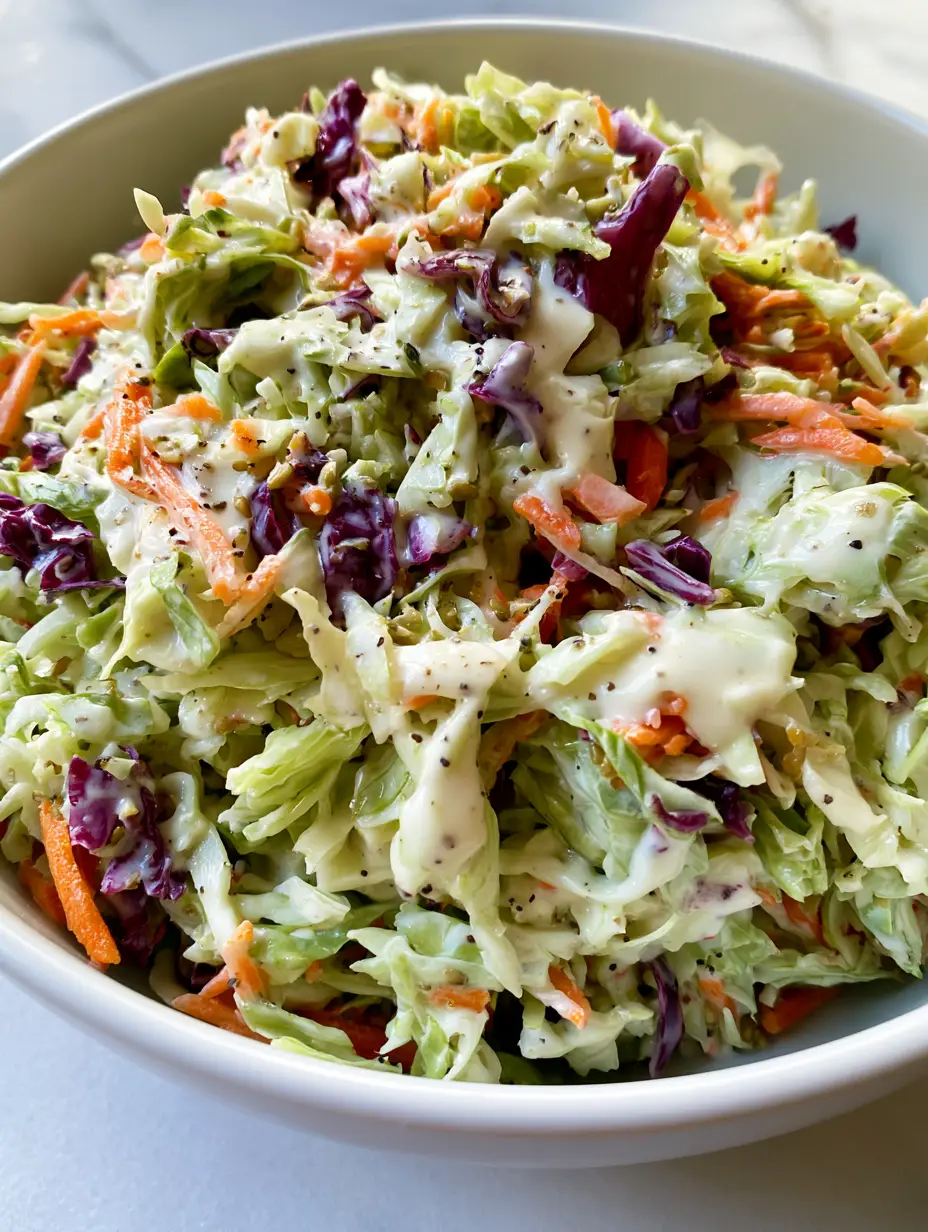
Coleslaw recipe: The Ultimate Southern Buttermilk Slaw
Ingredients
Equipment
Method
- Shred the green and red cabbage into ultra-fine, uniform ribbons using a mandoline or sharp knife. Grate the carrots using a box grater.
- Toss cabbage with 1 tbsp kosher salt in a colander. Let sit for 45-60 minutes to draw out moisture. Rinse thoroughly with cold water and pat completely dry.
- In a medium bowl, whisk together mayo, buttermilk, sugar, vinegar, mustard, celery seeds, and pepper until thick, glossy, and ivory-white.
- Combine dried vegetables and carrots in a large matte bowl. Pour dressing over and fold until every shred is coated. The dressing should cling without pooling.
- Refrigerate for at least 30 minutes before serving to ensure the 'chilled and crisp' state.
Notes
Use cracked black pepper instead of fine ground for those professional visible specks.
Final Thoughts on This Crispy Classic
Mastering the Coleslaw recipe is a rite of passage for any home cook who loves outdoor dining. By focusing on the “no-pool” dressing and the precision of the shred, you elevate a humble cabbage salad into a gourmet experience.
If you loved the crisp textures and glossy finish of this recipe, please leave a comment below! Don’t forget to share your creations and follow us on Pinterest for more visually stunning recipe inspiration.